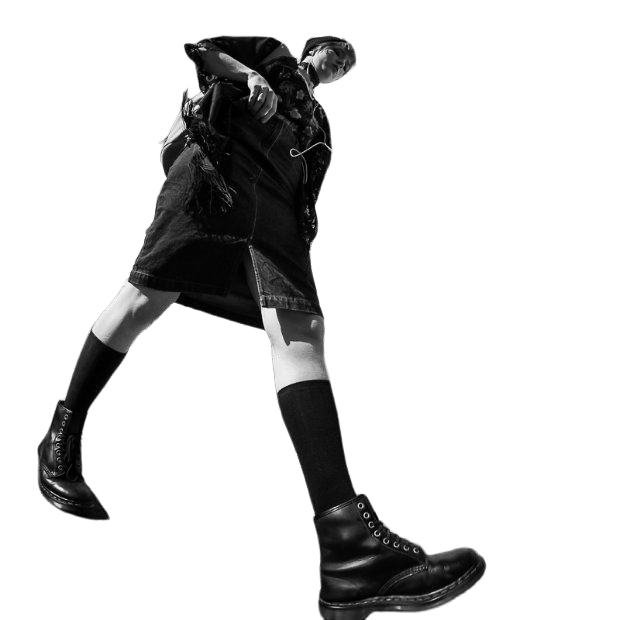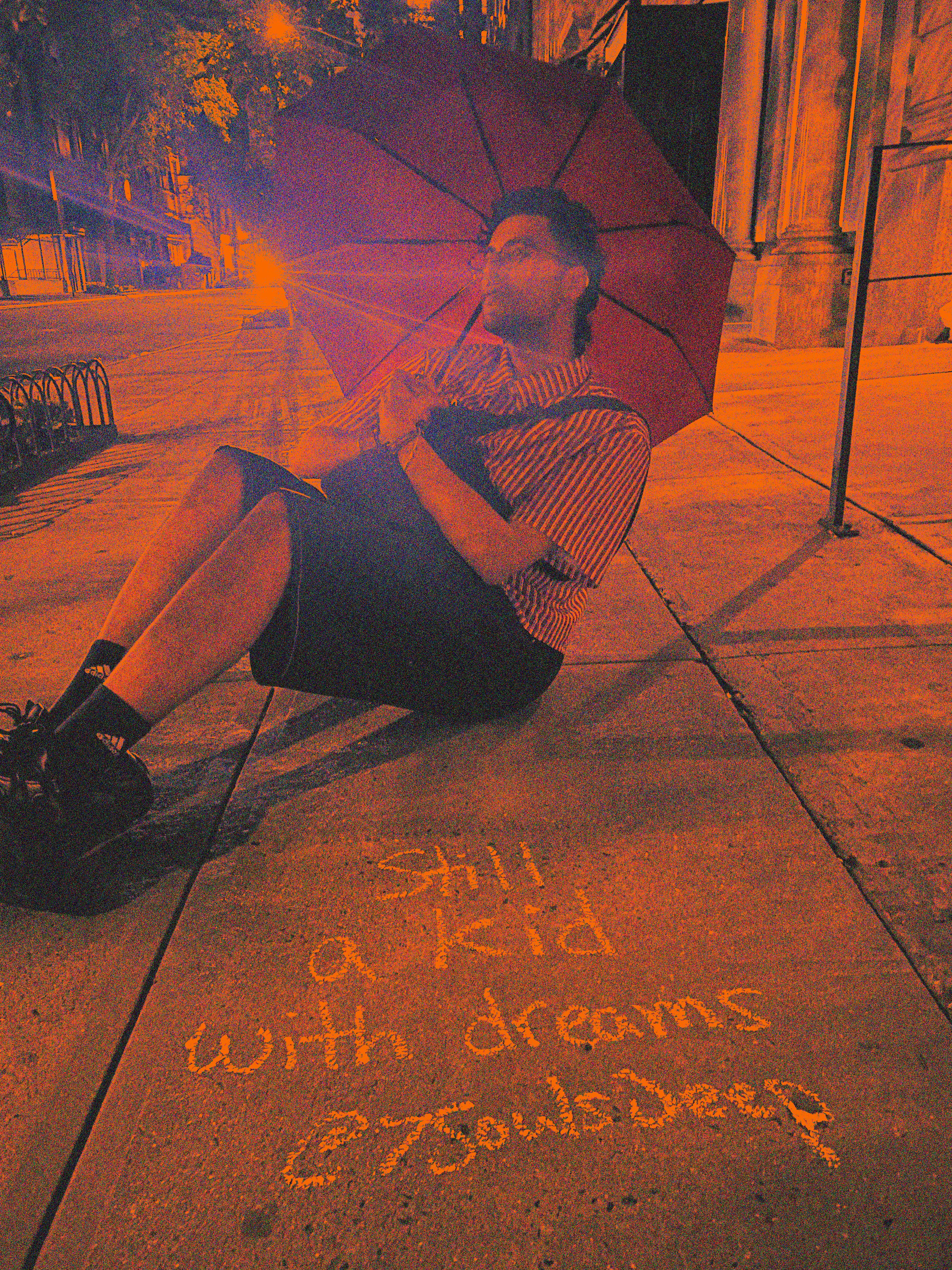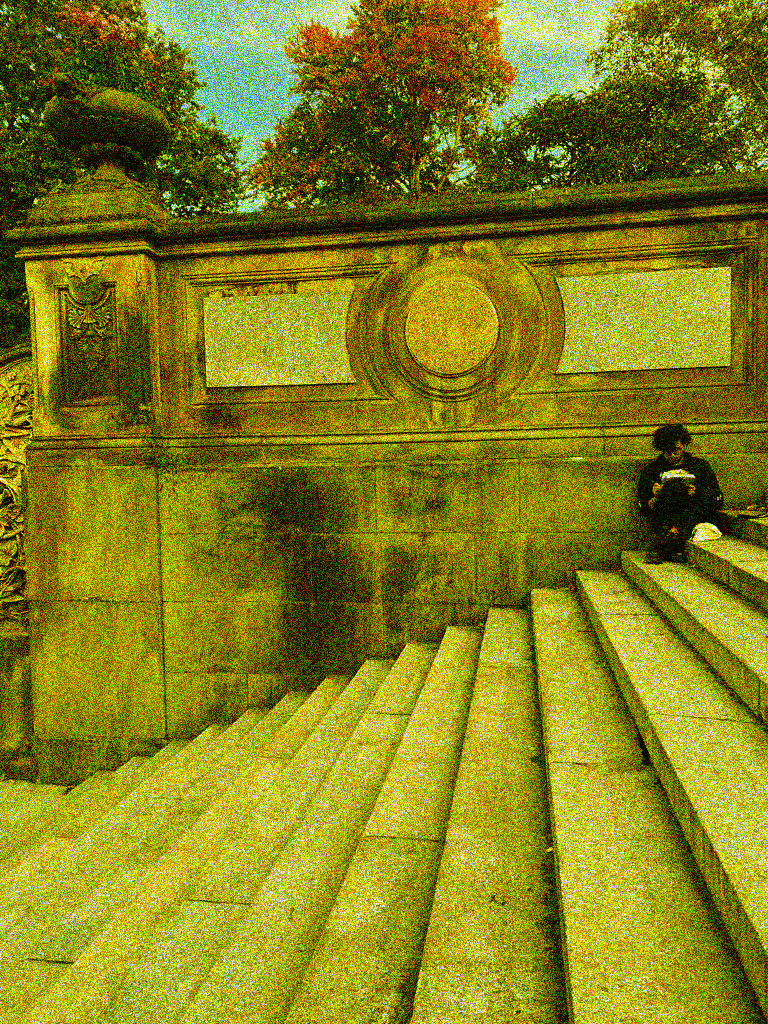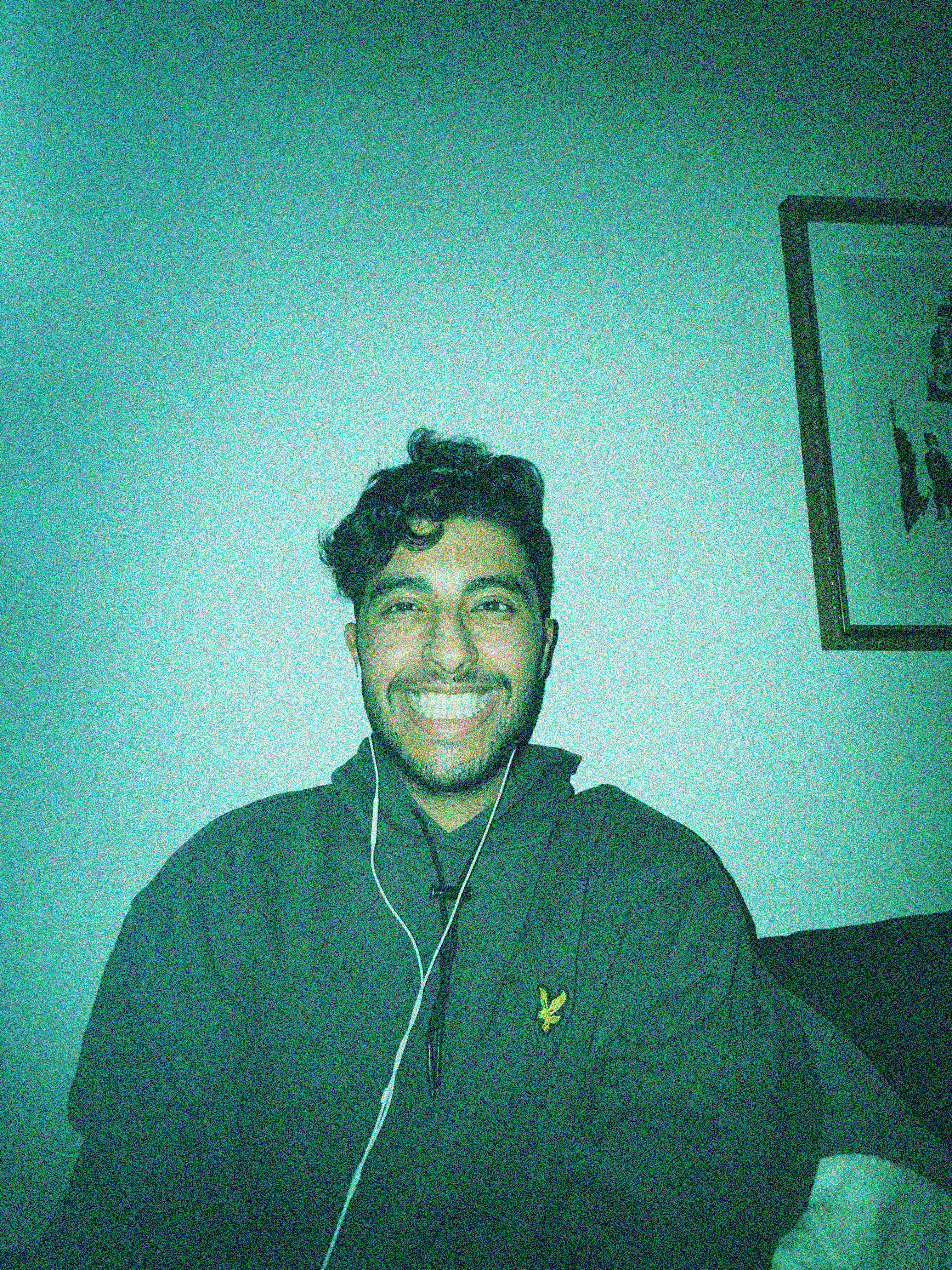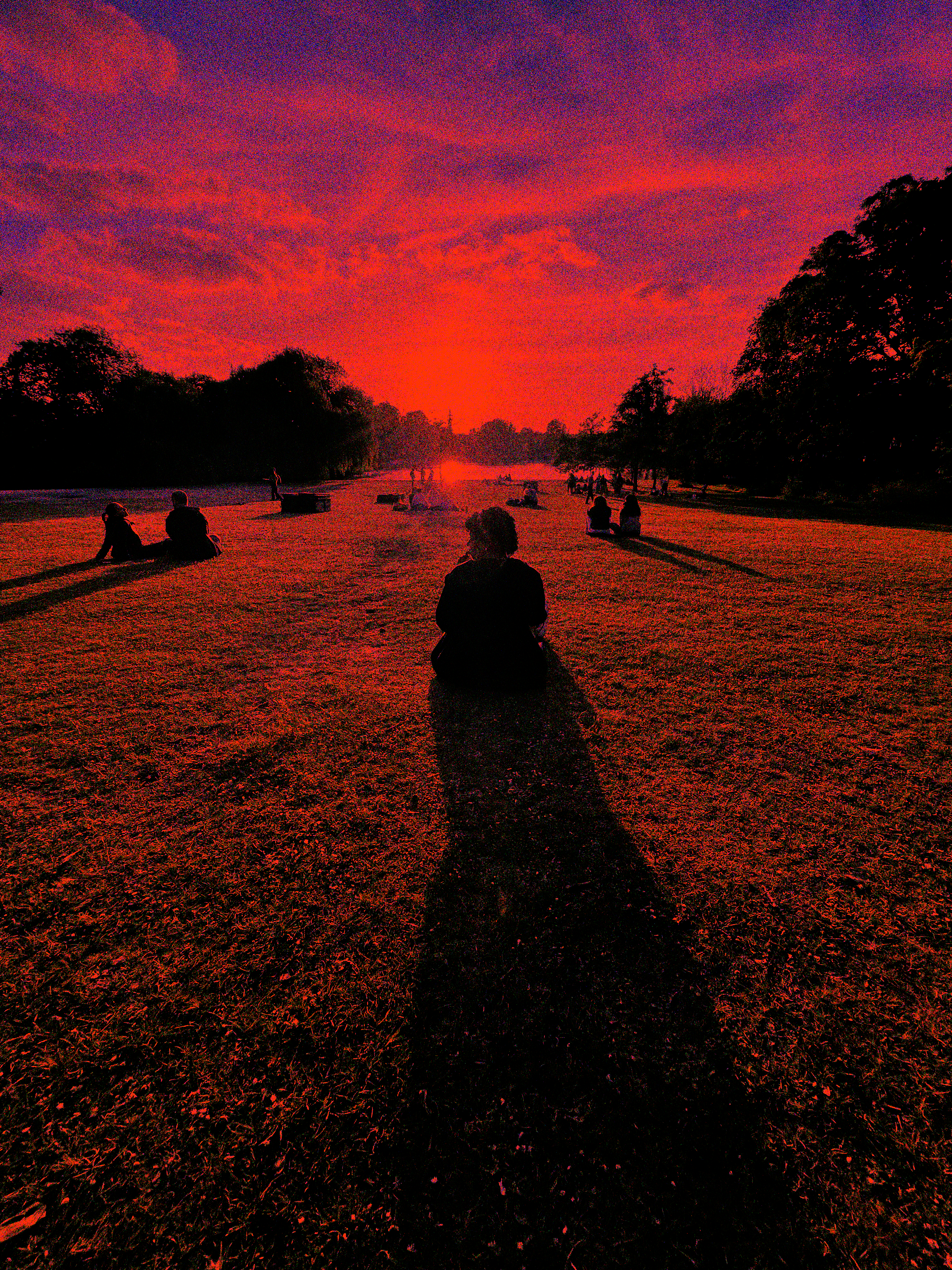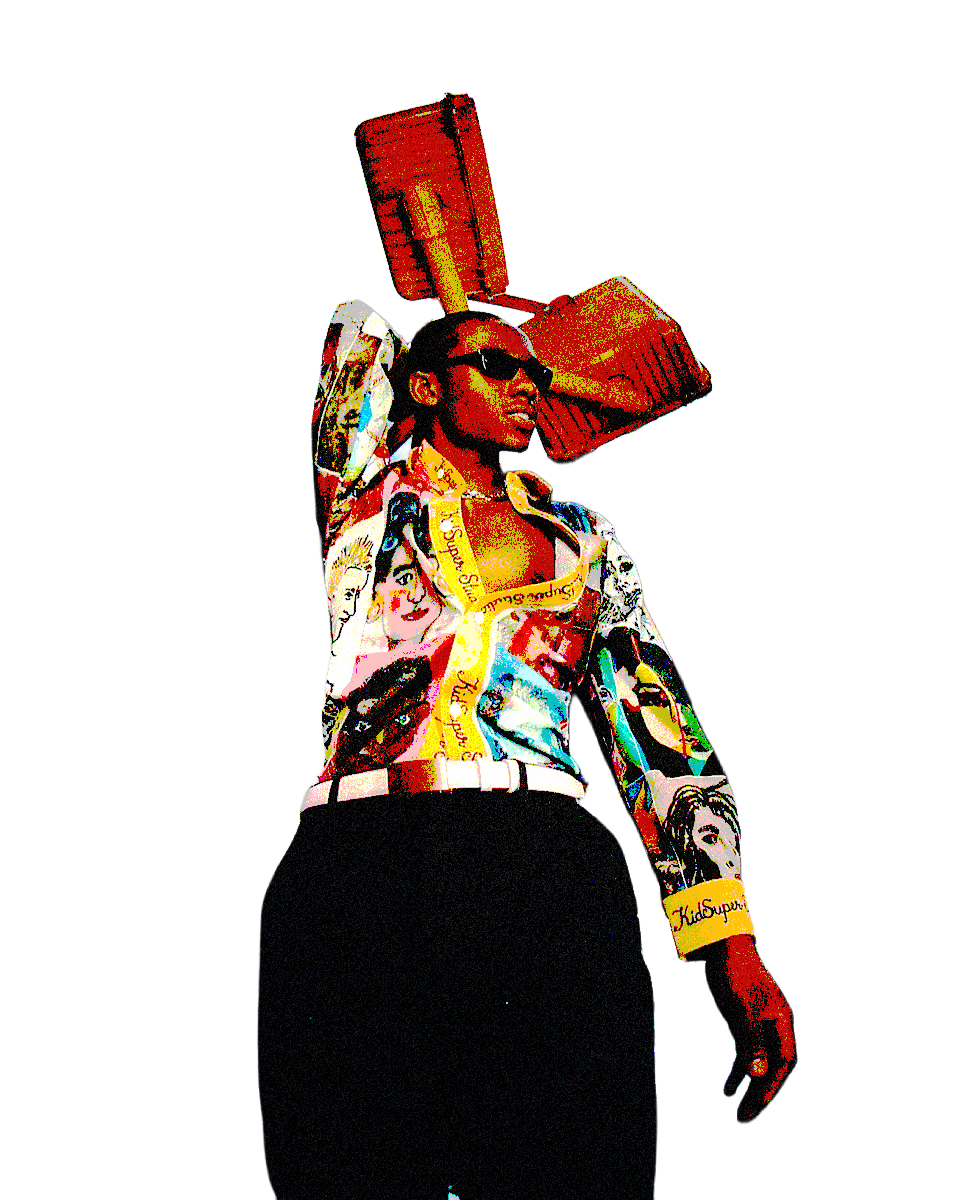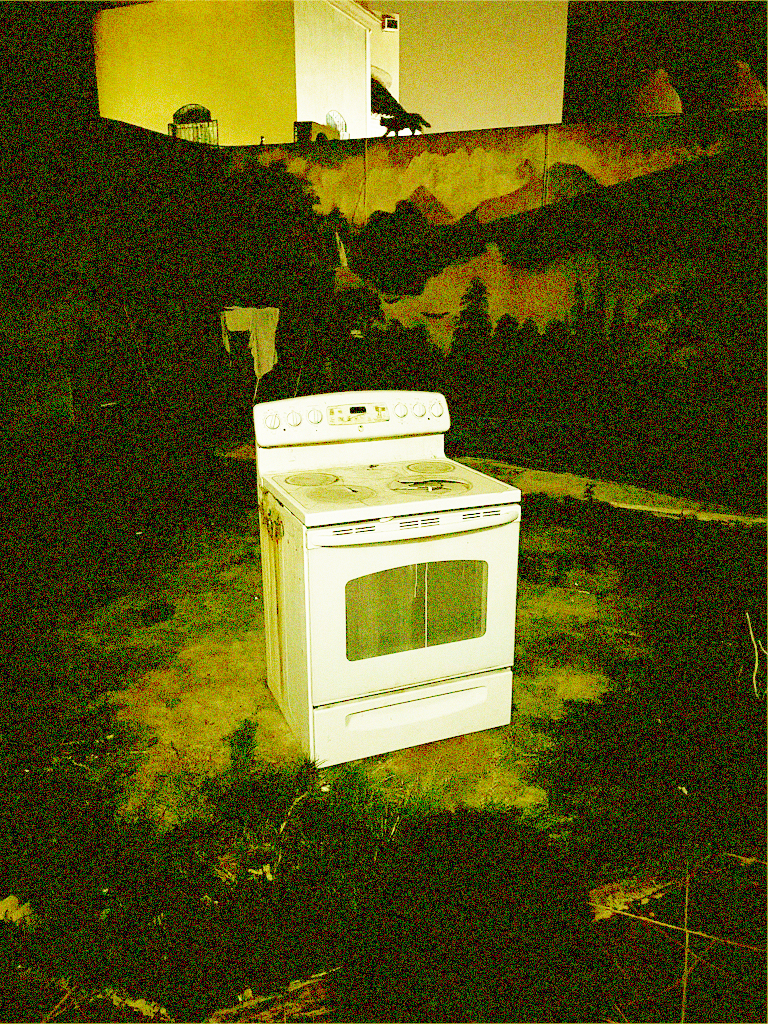
We're reaching back for moments we never lived. Grabbing at aesthetics from decades we only know through screens and secondhand stories.
There's something strangely comforting about feeling nostalgia for a decade you never experienced. You see it everywhere—kids in Y2K headphones, 90s cargo pants, film cameras, 80s synth playlists, VHS filters, and fonts resurrected from magazines older than their parents. It's easy to call it "aesthetic," but that misses the point entirely. This nostalgia isn't about longing for the past—it's about searching for something the present doesn't offer.
The digital age gives us access to everything, everywhere, all at once. But with that abundance comes a strange hollowness. When every trend cycles back within months, and every subculture gets repackaged before it can fully form, we start to look backward for meaning. Past eras feel slower, more intentional, more tangible. Even their imperfections feel romantic because they seem untouched by algorithms.

"We romanticize the 90s not because it was better, but because it represented mystery."
We romanticize the 90s not because it was better, but because it represented mystery. We romanticize the early 2000s because chaos was allowed; photos were blurry, outfits were unplanned, and not everything required an aesthetic rationale. There was no pressure to constantly perform a personality.
Nostalgia gives us space to imagine ourselves without digital expectations. When we borrow from past decades, we're not recreating history—we're rewriting it so it fits the parts of us that don't fit neatly into modern culture. It becomes a form of emotional storytelling. A way of saying: I want something real, something imperfect, something uncurated.
It's not about copying the past. It's about reclaiming the parts of culture that felt human—texture, slowness, unpredictability. We don't want to live in the 90s. We just want to feel something that doesn't need to be optimized.
This nostalgia is less about memory and more about possibility. It's a reminder that identity can be fluid, patchworked, borrowed, reinvented. That we can build ourselves out of influences that don't match. That we're allowed to contradict ourselves.
Maybe nostalgia isn't escapism at all.
Maybe it's a quiet rebellion against the speed of now.